Morocco price guide
How much does street food meal cost in Morocco?
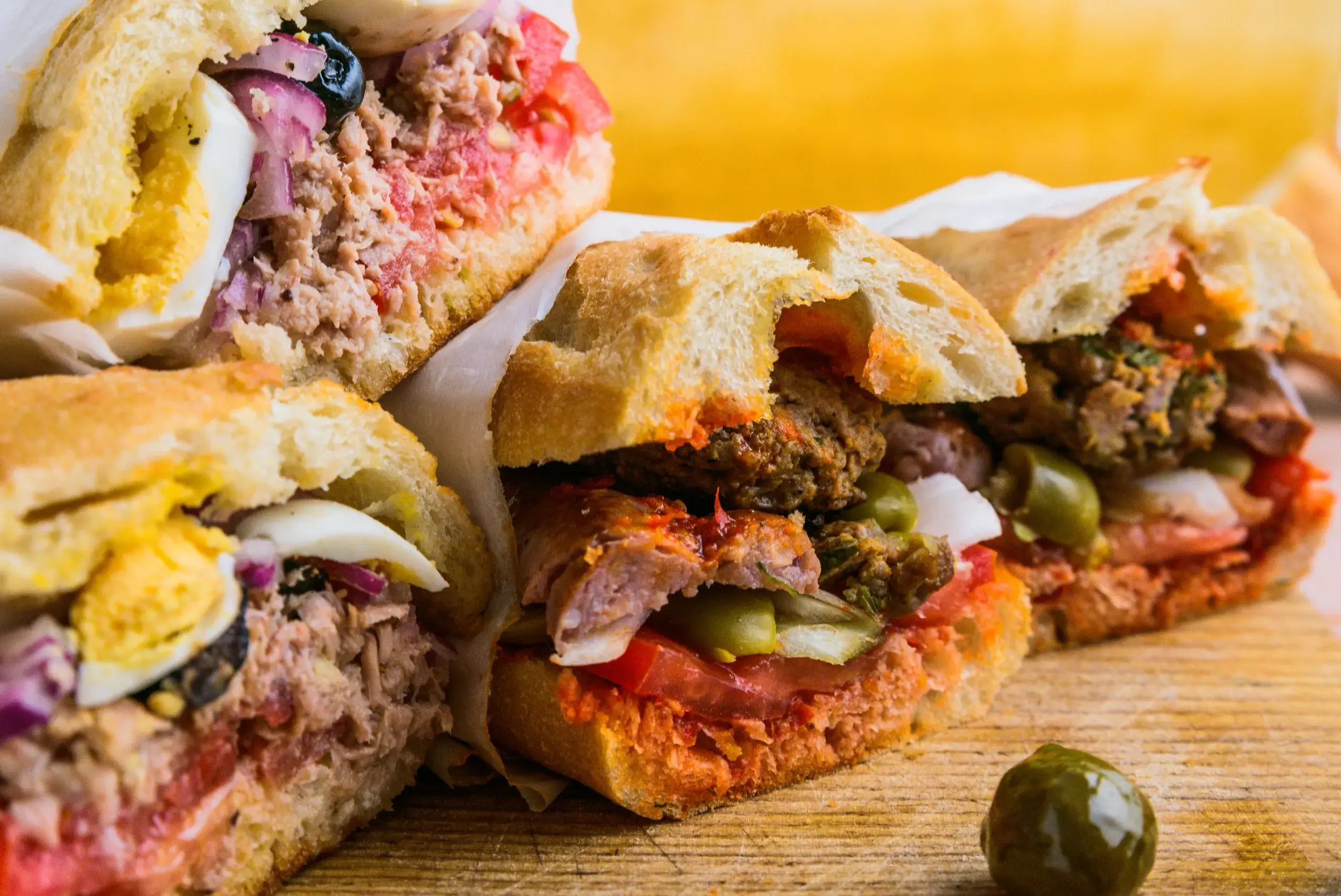
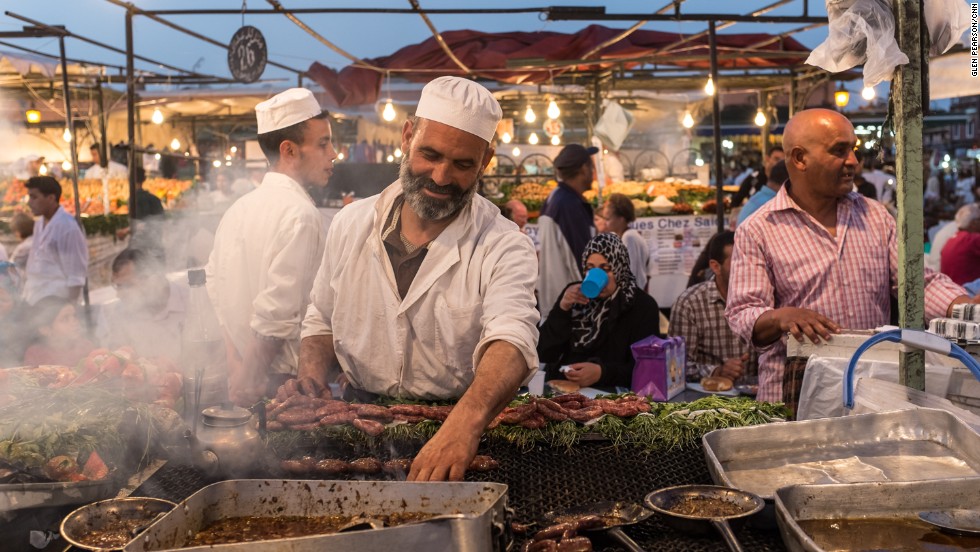
Morocco boasts one of the world's most vibrant street food cultures, transforming historical medina alleys and open-air squares into vast dining halls at dusk. From iconic charcoal-grilled lamb brochettes and spicy merguez sausages to crispy maâkouda potato fritters, steamed babbouche snail broth, and fresh coastal fried sardines, street vendors offer an authentic taste of everyday Moroccan culinary heritage. Eating street food is the most budget-friendly, culturally immersive way to dine across cities like Marrakech, Fez, Tangier, and Essaouira.
Quick reference
per meal
Price examples
Typical amounts in MAD
Moroccan street food pricing depends on whether you eat in residential neighborhoods (Derb) or at famous night market tourist hubs. Here is what typical street meals cost:
At famous outdoor squares like Jemaa el-Fnaa, menu boards are displayed by law. Confirm skewer counts, side salad inclusion, and bread prices before sitting down to avoid unexpected additions.
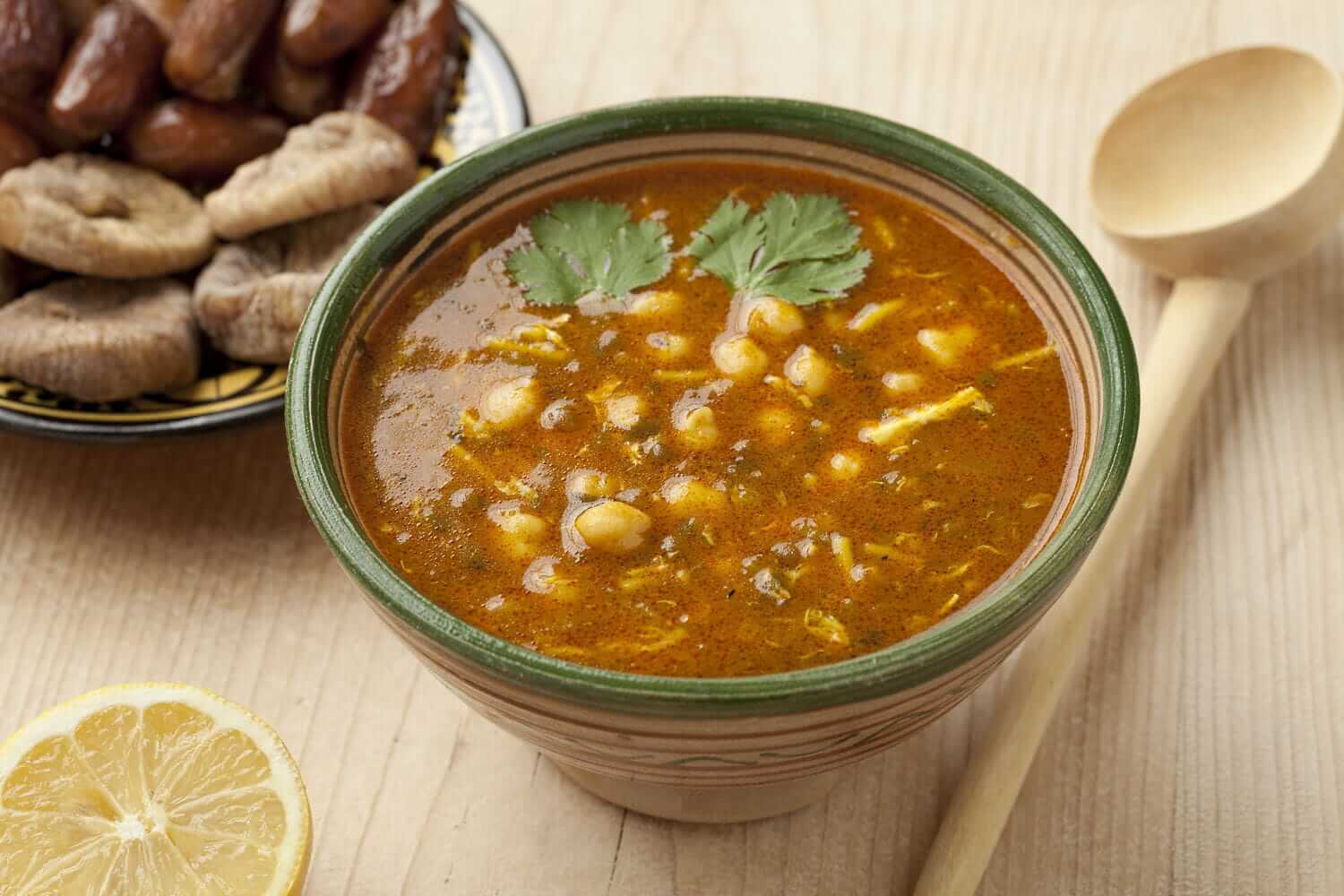
How to enjoy safe and authentic Moroccan street food: • Beware the Jemaa el-Fnaa Menu & Bait-and-Switch Scam: A notorious tactic at Marrakech's central square involves hustlers showing you a cheap menu on the street (e.g., 30–40 MAD per plate), but once you sit down, eat, and ask for the bill, they present a second, heavily marked-up menu or charge 200–300+ MAD by adding unsolicited sides (bread, olives, salad, extra skewers). Protection Tip: Take a photo of the original menu and point out your exact choices before sitting down, reject any unrequested side dishes immediately, and if they threaten you with inflated prices, firmly mention calling the Tourist Police ('La Police Touristique')—the price will drop instantly. • Follow Local Lines: Choose stalls packed with local families and university students—high customer turnover guarantees fresh, hot, safety-tested food. • Watch It Cook Hot: Stick to items grilled, fried, or boiled right in front of you (like charcoal skewers, fried sardines, and steaming harira) rather than pre-cooked trays sitting in open air. • Must-Try Street Specialties: – Maâkouda: Crispy seasoned potato fritters served inside fresh bread with harissa. – Brochettes & Merguez: Marinated beef, lamb, or chicken skewers cooked over hot charcoal coals. – Babbouche: Steamed land snails served in a deeply aromatic, 15-herb digestive broth. – Mechoui: Slow-roasted tender whole pit-lamb, sprinkled with coarse sea salt and cumin.
In local residential neighborhoods or near medina gates (e.g., Bab Doukkala in Marrakech or Bab Bou Jeloud in Fez), a hearty street meal costs 15 to 25 MAD ($1.50–$2.50 USD). In major tourist-centric night markets like Jemaa el-Fnaa, individual skewer plates or mixed meat platters legally cost 35 to 60 MAD ($3.50–$6 USD), though unvigilant tourists risk being quoted inflated rates up to 200–300 MAD through hidden menu scams. Specialty items like slow-roasted Mechoui lamb sold by weight cost ~80–120 MAD per quarter kilo.
Protein type (Potato/legume soups vs. sardine fish vs. charcoal-grilled lamb/beef skewers or mechoui)
Location context (Local neighborhood souk vs. tourist night stalls like Jemaa el-Fnaa)
Unsolicited add-ons (Extra charges for bread, olives, dipping sauces, or unrequested salad bowls)
Bait-and-switch pricing tactics (Discrepancy between street vendor quotes vs. sit-down bill menus)
Moroccan street food allows travelers to feast like royalty on a minimal budget. However, exercising caution around high-pressure street vendors—especially in Marrakech's Jemaa el-Fnaa—is essential to ensuring you pay the real local price rather than tourist-scam rates.
A useful rule when comparing private guide prices
Photograph the menu price on the street before you take your seat to prevent the 'secondary menu' scam.
Politely refuse any appetizers, bread baskets, or extra dishes placed on your table that you did not explicitly order.
Always carry small cash bills (10, 20, and 50 MAD notes) as street food vendors rarely have change for 100 or 200 MAD bills.
Mentioning 'Brigade Touristique' (Tourist Police) quickly resolves any inflated bill disputes at Jemaa el-Fnaa stalls.
Budget 15 to 30 MAD ($1.50–$3 USD / $1.40–$2.80 EUR) per person for a filling casual street meal. Allocate 35 to 60 MAD ($3.50–$6 USD / $3.20–$5.50 EUR) if dining at famous medina night stalls, provided you verify your order total beforehand.
Common questions
Frequently asked questions
A few practical questions travelers may have before choosing or paying for this in Morocco.
Is Moroccan street food safe to eat?
Street food can be safe when you choose vendors with high customer turnover and food that is cooked fresh and served hot. Avoid food that appears to have been sitting out for a long time, particularly in hot weather.
What street food should I try in Morocco?
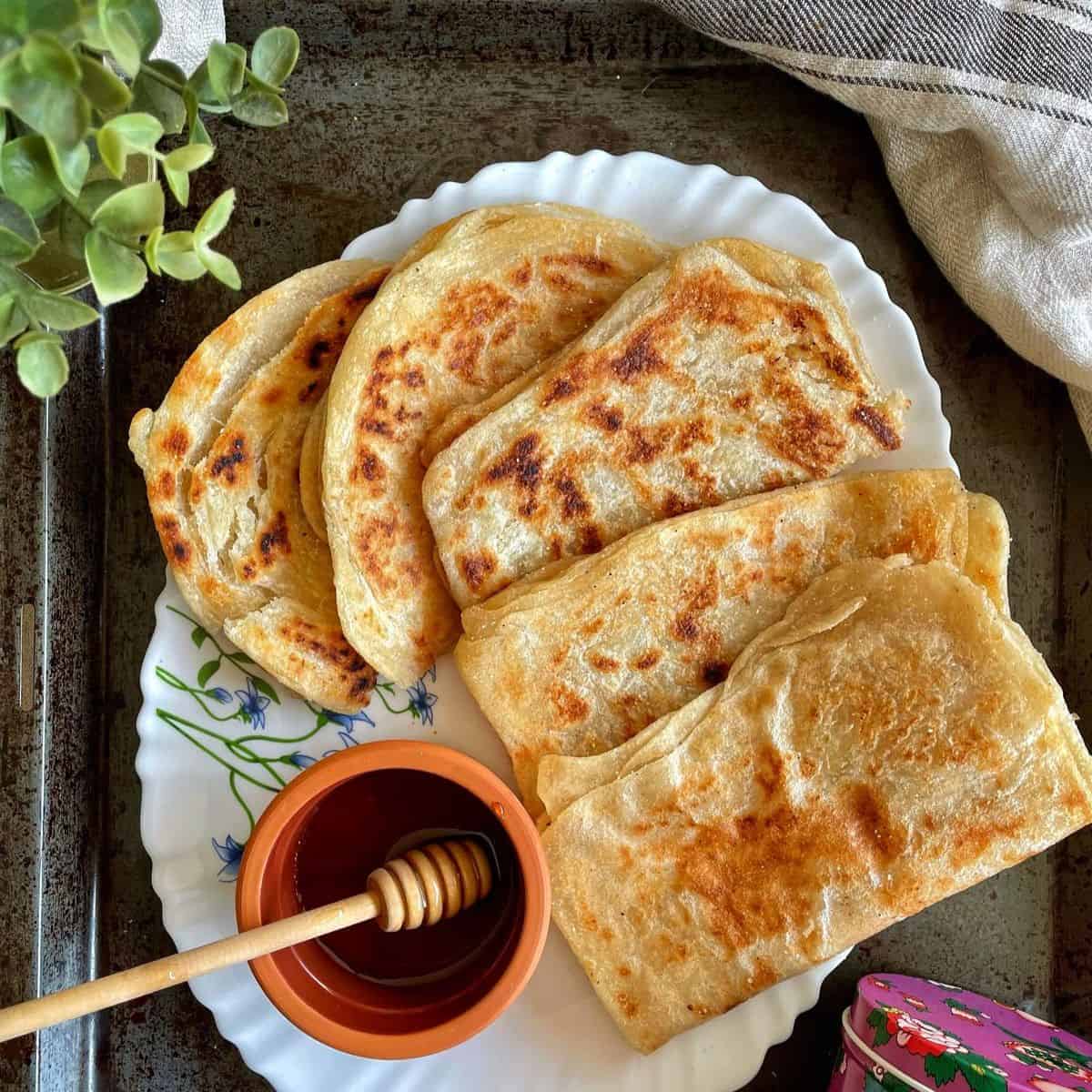
Popular options include sandwiches, grilled meats, harira, msemen, maakouda, brochettes and other regional snacks. What is available varies between cities and markets, so trying local specialties can be part of the experience.
Can tourists eat street food in Morocco without getting sick?
Many tourists eat Moroccan street food without problems. To reduce the risk of stomach issues, choose busy vendors, prefer freshly cooked food served hot, and be careful with foods or drinks that may have been exposed to heat for long periods.
Is street food cheaper than restaurants in Morocco?
Generally, yes. Street food and small local snack shops are usually considerably cheaper than sit-down restaurants, making them useful for travelers trying to keep their daily food budget low.
Do Moroccan street food vendors charge tourists more?
Prices can sometimes be higher in heavily tourist-oriented areas than in local neighborhoods. Checking prices at a few nearby vendors and confirming the price before ordering can help you avoid paying more than expected.