Morocco price guide
How much does historic site entry cost in Morocco?
Ticket prices for Morocco's national heritage sites and UNESCO monuments are regulated by the Ministry of Culture (Ministère de la Culture), with standard adult tickets for foreign visitors set at 70 MAD ($7 USD). Visiting key architectural landmarks provides direct insight into Islamic tilework (zellige), Saadian carving, Roman-African history, and Dynastic royal history.
Quick reference
per person
Price examples
Typical amounts in MAD
Historic attraction entry prices are divided into standardized state-managed monuments, smaller municipal heritage sites, and private gardens/museums:
Ticket offices (guichet) at government-run monuments generally require cash in Moroccan Dirhams (MAD). Official guides inside the monuments are booked separately from the admission ticket.
When visiting major historic sites in Marrakech, Fez, Rabat, or Meknes, arrive early in the morning (between 8:30 AM and 10:00 AM) to avoid long tour-bus lines and midday heat. Check whether tickets must be booked online in advance; while state monuments like Bahia Palace accept cash on-site, popular private attractions like Jardin Majorelle mandate advance online time-slot bookings.
Historic monument ticket prices in Morocco are governed by site ownership (state-run vs. private foundation), restoration level, and geographic prominence. State monuments maintain a flat 70 MAD rate across major cities, ensuring predictable daily sightseeing costs.
Ownership category (Ministry of Culture national site vs. private heritage foundation)
Visitor status (International tourist vs. Moroccan national / resident permit holder)
Included access areas (Basic grounds ticket vs. full palace museum / exhibition pass)
Online booking requirement (Walk-up cash ticket vs. mandatory pre-booked time slot)
Separation of site entry fees from local licensed guide fees
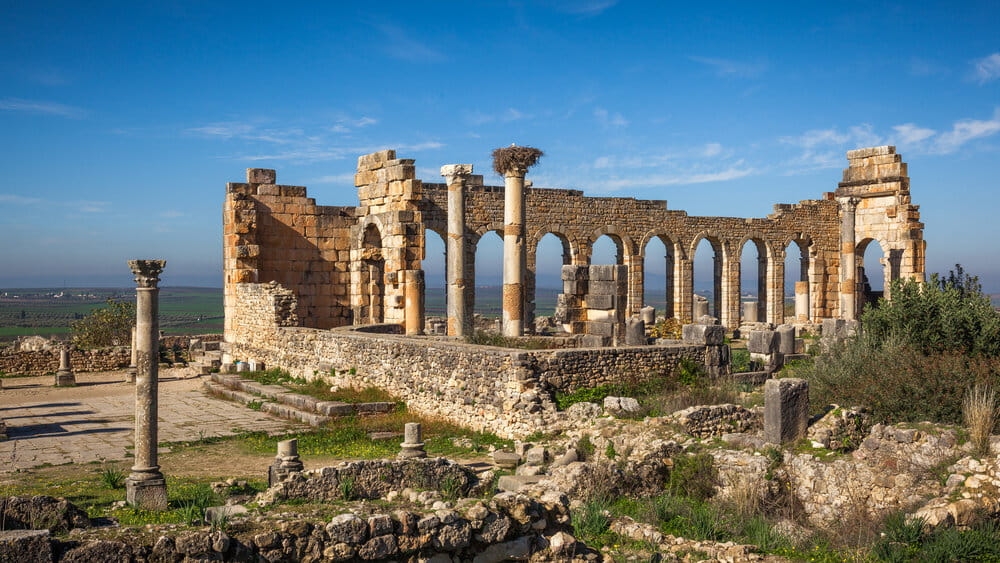
Exploring historic sites is one of the most budget-friendly activities in Morocco. For less than $10 USD per attraction, travelers gain access to world-class architectural wonders, 2,000-year-old Roman mosaics at Volubilis, and grand Merenid/Saadian palaces.
A useful rule when comparing private guide prices
Always carry small MAD cash notes (20 MAD, 50 MAD) for ticket booths, as credit card readers at government monuments can experience network downtime.
Children under 12 usually receive free or 50% discounted admission at state-run historic sites.
Be aware that active mosques (such as the Koutoubia in Marrakech or Hassan II Mosque grounds in Casablanca) are restricted to Muslims for interior prayer, though non-Muslim tours are offered specifically at Hassan II Mosque.
Verify official opening times during the holy month of Ramadan, when monument operating hours are typically reduced (closing around 3:30 PM or 4:00 PM).
Keep your printed paper entry ticket until you depart the complex, as guards occasionally inspect tickets at internal courtyard checkpoints.
Budget 140 to 210 MAD ($14–$21 USD) per person per day for sightseeing, which comfortably covers entry fees for 2 to 3 major historic monuments or palaces.
Common questions
Frequently asked questions
A few practical questions travelers may have before choosing or paying for this in Morocco.
Are historic sites in Morocco free to enter?
Some historic sites and public monuments can be visited without an entrance fee, while others charge admission. The policy depends on the individual site, so it is better to check the specific attraction rather than assuming that all historic sites are paid or free.
Can you buy historic site tickets at the entrance in Morocco?
For many historic attractions, visitors can buy admission directly at the site. However, ticket arrangements vary, and some popular attractions or special exhibitions may have different booking requirements. If you are visiting during a busy period, check the attraction's current ticketing information beforehand.
Do you need a guide to visit historic sites in Morocco?
No, you can visit many historic sites independently. A guide can nevertheless be useful at monuments where there is limited information available on-site or where understanding the history and architecture adds significantly to the experience. If you hire a guide, confirm whether the guide fee is separate from the entrance ticket.
Can tourists visit historic sites in Morocco without a tour?
Yes. Many historic monuments and attractions can be visited independently without joining an organized tour. This can give you more freedom over how long you stay at each site, although a guided visit may be worthwhile if you want more historical context.
Are historic sites in Morocco open every day?
Opening days and hours vary by attraction. Some sites may have a weekly closing day, reduced hours during certain periods or changes around public holidays and religious occasions. Check the current opening schedule before building your itinerary around a particular monument.
Can I take photos inside historic sites in Morocco?
Photography rules vary between attractions. Outdoor areas may allow casual photography, while some interiors, museums or religious and culturally sensitive areas can have restrictions. Look for signs at the entrance and follow the site's photography rules rather than assuming cameras are permitted everywhere.
Are historic sites in Morocco suitable for children?
Many historic sites can be visited with children, particularly monuments and attractions with open courtyards or outdoor areas. The experience can be more challenging at sites involving long walks, uneven surfaces or limited facilities. Families should check the layout and conditions of the specific attraction before visiting.