Morocco price guide
How much does sim card & esim cost in Morocco?
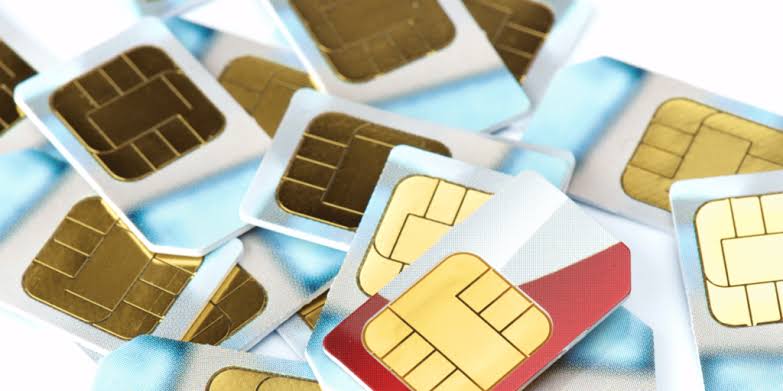
Most visitors want data for maps, messaging, translation and booking trains or taxis, and there are two ways to get it. A physical prepaid SIM from Maroc Telecom, Orange or inwi is the cheapest option per GB. A travel eSIM from an international provider costs more, but you can set it up at home and have data the moment you land. Both connect through the same three Moroccan networks. 4G covers cities and most main roads, with patchier coverage in the mountains and desert, and 5G is spreading in larger cities such as Casablanca, Marrakech, Rabat, Tangier, Fes and Agadir.
Quick reference
per SIM or plan
Price examples
Typical amounts in MAD
Prices depend on the format, the data allowance and the validity period. The ranges below combine local operator prices with international travel eSIMs, converted at roughly 10 MAD per US dollar:
Prices are approximate and change often. International eSIM prices are quoted in US dollars or euros, so the dirham figures move with exchange rates. Local data top-ups follow a simple rule of about 10 MAD per GB, so 50 MAD buys roughly 5 GB and 100 MAD roughly 10 GB. You can buy scratch cards (recharge) at any corner shop or top up in the operator's app.
For a physical SIM, buy at an airport kiosk, an official operator store or an authorized shop. Moroccan rules require every active SIM to be registered, so the agent will photograph your passport. Some airport kiosks hand out the SIM free with a data bundle, while city shops usually charge 20 to 30 MAD for the card. You do not have to take the biggest bundle on offer, and a smaller 50 MAD top-up is fine if you only need maps and messaging. For an eSIM, check that your phone supports eSIM and is not carrier-locked, then buy and install it on home Wi-Fi before you fly. Most plans start when you first connect to a Moroccan network, so you can leave it unused until you land. Compare plans by price per GB, not the headline price, and check whether hotspot sharing is allowed, whether the plan includes a phone number, and which local network it uses.
Local operators sell data cheaply and at a standard rate, but you pay with time, since you need to find a shop and show your passport. International eSIM providers add a markup for convenience, and small plans cost the most per GB: a 1 GB plan can cost several times more per gigabyte than a 15 to 20 GB plan. Unlimited plans are the most expensive, and they often have fair-use caps or block hotspot sharing. Airport counters tend to push pre-set bundles of 150 to 200 MAD, which are convenient but not always the best value.
Format (physical SIM, travel eSIM, or an eSIM from a local operator where offered)
Data allowance (1 GB up to 50 GB, or unlimited)
Validity period (7, 15, 30 days or longer)
Where you buy (airport kiosk, city store, corner shop, or online before you travel)
Network (Maroc Telecom, Orange or inwi) and its coverage
Included extras (hotspot sharing, a local number, calls and SMS)
Exchange rate and promotions on international eSIM plans
An eSIM suits short trips and anyone who wants data on arrival without queuing at a kiosk. It also works well as a second line, since a dual-SIM phone lets you keep your home number for banking codes. A local SIM suits stays of two weeks or more, when the lower price per GB adds up. Network choice matters if you leave the cities. Maroc Telecom is generally considered the strongest in rural areas, the Sahara and the Atlas. Orange is strong in cities and often has competitive airport bundles. inwi is frequently the cheapest and performs well on coastal highways and in main tourist hubs.
A useful rule when comparing private guide prices
Make sure your phone is unlocked from your home carrier before you insert a Moroccan SIM or install an eSIM.
Bring your passport for a physical SIM. Registration is required and the agent will photograph it.
Install an eSIM before you leave, on home Wi-Fi, and switch the line on and enable data roaming for it once you land.
Choose by price per GB, since a 5 GB plan is usually far cheaper per GB than a 1 GB plan.
Check hotspot rules if you work from a laptop, because some unlimited plans block tethering.
Remember that most travel eSIMs are data-only, so use WhatsApp or Wi-Fi calling for calls and SMS.
Local numbers start with +212 and mobile numbers begin 06 or 07, which is handy for riad hosts and desert drivers who prefer WhatsApp.
Download offline maps as a backup, because coverage can drop in the mountains and desert.
For one to two weeks, budget 50 to 100 MAD ($5 to $10 USD) for 5 to 10 GB on a local SIM, or 40 to 150 MAD ($4 to $15 USD) on a travel eSIM with 1 to 5 GB. Heavy users and remote workers should budget 150 to 200 MAD ($15 to $20 USD) for a 20 GB local pack, or 150 to 350 MAD ($15 to $35 USD) for a 15 to 20 GB eSIM. A week of unlimited eSIM data runs about 300 to 420 MAD ($30 to $42 USD).
Common questions
Frequently asked questions
A few practical questions travelers may have before choosing or paying for this in Morocco.
How much is a SIM card in Morocco?
A tourist SIM costs about 20 to 30 MAD for the card in a city shop, and a typical airport tourist bundle with 10 to 20 GB costs about 100 to 180 MAD. Data top-ups cost about 10 MAD per GB.
How much is an eSIM for Morocco?
Most travel eSIMs cost about 20 to 350 MAD ($2 to $35 USD) for 1 to 20 GB. A 1 GB plan for a week is typically $7 to $8 on well-known brands, and unlimited plans cost about $30 to $90 depending on length.
Is an eSIM or a local SIM better in Morocco?
An eSIM is better for short trips because you can install it before you fly and skip the shop. A local SIM is cheaper per GB and usually better value for stays of two weeks or more, but it needs a shop visit and your passport.
Do I need my passport to buy a SIM card in Morocco?
Yes for a physical SIM. Moroccan rules require registration, and the agent will photograph your passport. Travel eSIMs bought online do not need a shop visit.
Which network is best for tourists in Morocco?
Maroc Telecom is generally considered to have the strongest coverage outside cities, which matters for the desert and mountains. Orange is strong in cities and inwi is often the cheapest. Check the network listed on an eSIM plan before you buy.
Can I buy a SIM card at the airport in Morocco?
Yes. Operator kiosks at the main airports, including Casablanca, Marrakech and Agadir, sell SIMs and tourist bundles. Some hand out the SIM free with a data pack, and prices are often higher than in city shops.
How much data do I need for a trip to Morocco?
For one to two weeks of maps, messaging, social media and translation, 5 to 10 GB is plenty for most travelers. Heavy users and remote workers should plan on 20 GB or more.
Does an eSIM work in Morocco?
Yes. Morocco has no regulatory restrictions on international eSIM plans, and travel eSIMs connect through the local networks. Your phone must support eSIM and not be carrier-locked.
Does a travel eSIM come with a phone number?
Most travel eSIMs are data-only, so you use WhatsApp or Wi-Fi calling for calls. A few plans include a local number, so check before you buy.
Can I use my eSIM as a hotspot in Morocco?
It depends on the plan. Many allow hotspot sharing, but some unlimited plans block it, so check the plan details if you need to tether a laptop.