Morocco price guide
How much does moroccan spices cost in Morocco?
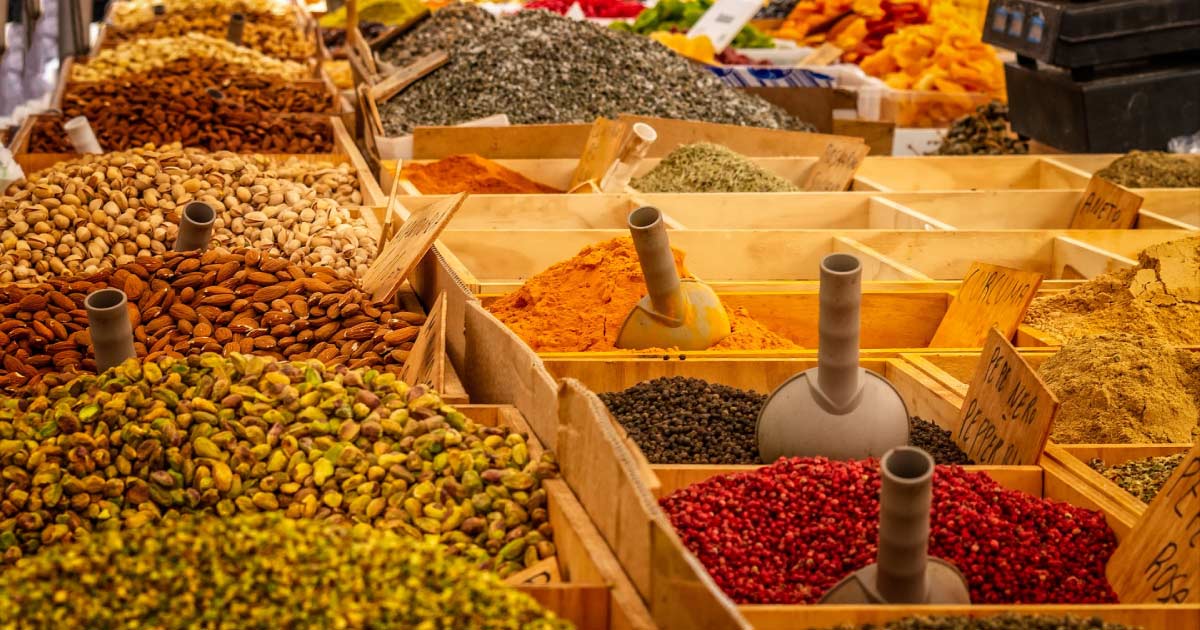
Spice prices in Morocco average 15–30 MAD ($1.50–$3 USD) per 100g for standard kitchen staples and 35–50 MAD ($3.50–$5 USD) for premium master blends like Ras el Hanout. Spice shops (épices) in historic Medinas display vibrant cones of fragrant spices, but purchasing by weight (par weight/grammes) rather than pre-packaged tourist cones yields far better freshness, quality, and value.
Quick reference
per pack
Price examples
Typical amounts in MAD
Spice prices vary significantly based on whether you buy loose fresh-ground spices by weight, complex custom blends, or luxury items like pure saffron:
Always insist on buying loose spices weighed on a scale in front of you. Pre-filled open-air decorative tourist cones (spices displayed in pyramids) are often faded from sun exposure.
When shopping in spice souks (like Marrakech's Place des Épices or Fez Medina), watch out for saffron scams. Real Moroccan saffron from Taliouine consists of dark red threads that slowly turn warm water yellow, not bright red. Cheap 'saffron powder' or yellow strands are usually cheap safflower or dyed corn silk. For cooking blends, ask the Attar (herbalist) to grind whole seeds fresh for you.
Spice rates depend on weight, origin, and labor intensity. Locally harvested crops like cumin, coriander, and sweet paprika are inexpensive, while imported whole spices (like cardamom or cloves) drive up the cost of premium Ras el Hanout. Genuine hand-harvested saffron commands high per-gram rates due to intense labor requirements.
Purchase format (Loose freshly weighed vs. decorative pre-packaged souvenir boxes)
Rarity and origin (Everyday local cumin vs. Taliouine saffron or organic Atlas herbs)
Blend complexity (Standard 5-spice mix vs. traditional 25+ ingredient Ras el Hanout)
Shop location (Central tourist square vs. neighborhood residential Attar herbalist)
Vacuum packaging services for international flights and customs compliance
Spices are lightweight, affordable, and fragrant souvenirs to bring home from Morocco. Most herbalists will gladly vacuum-seal your purchases into airtight plastic bags, making them leak-proof and compliant with airport customs checks.
A useful rule when comparing private guide prices
Ask the merchant to vacuum-seal (emballage sous vide) your bags so spice aromas do not transfer to luggage items.
Test saffron authenticity before buying large quantities: real saffron threads slowly release a golden-yellow hue in water, whereas fake dyed strands turn water bright red instantly.
Visit local neighborhood spice shops (Attarine) away from main tourist arterial streets to pay standard local prices by the gram.
Buy whole cumin or coriander seeds and have them ground on the spot for maximum flavor longevity.
Check your home country's agricultural customs rules—dried ground spices are permitted in airline checked bags across North America and Europe.
Budget 50 to 100 MAD ($5–$10 USD) to buy a complete kitchen spice kit (100g each of cumin, paprika, turmeric, cinnamon, and Ras el Hanout). This provides fresh, high-grade spices that last for months at a fraction of Western supermarket prices.