Morocco price guide
How much does moroccan rug cost in Morocco?
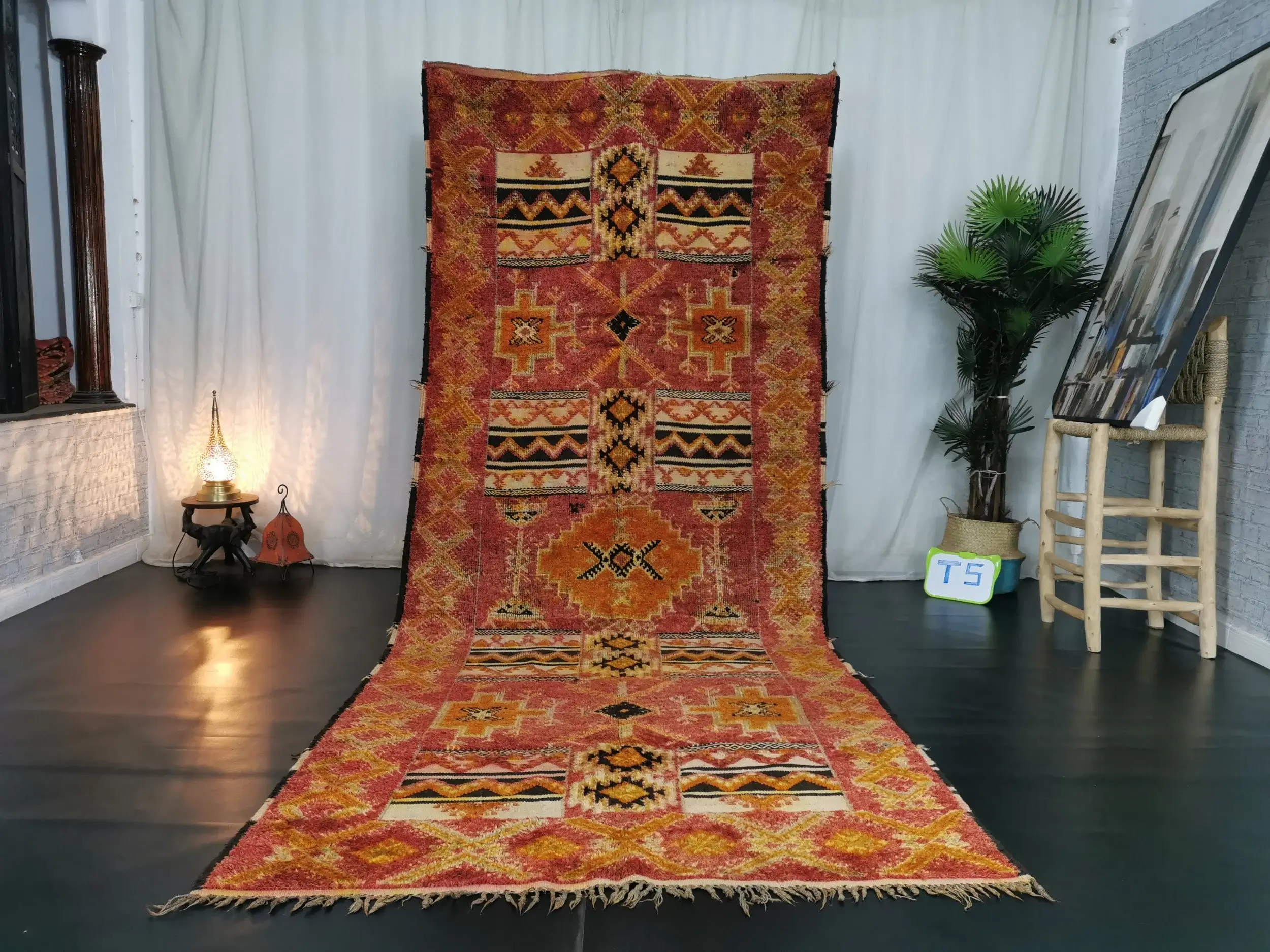
Buying a traditional Berber carpet is a highlight for travelers exploring the historic souks of Marrakech, Fes, Chefchaouen, and Taznakht. Because every rug is a hand-knotted piece crafted over weeks or months, there is no fixed price sticker. A realistic benchmark for a genuine, new 100% sheep's wool rug in a traditional market ranges from 700 MAD to 1,200 MAD ($70–$120 USD) per square meter, whereas vintage tribal pieces or high-end gallery rugs can fetch considerably more.
Quick reference
per rug
Price examples
Typical amounts in MAD
Moroccan carpet prices vary dramatically based on rug dimensions, knot density, and regional origin style:
International door-to-door express shipping (via DHL, FedEx, or Aramex) adds roughly 400 to 1,200 MAD ($40–$120 USD) depending on final weight and destination country.
When rug shopping in Souk Zrabi (Marrakech) or the Fes Medina, measure your home room space in meters before entering the shops. Request mint tea, inspect the back of the weave for knot consistency, and perform a gentle burn test on fringe threads to confirm 100% natural wool (synthetic acrylic melts into a hard plastic bead, whereas real wool turns to ash and smells like singed hair). Initial vendor asking prices can be 2x to 3x higher than fair market value—see our souk prices guide and negotiating guide before making an offer.
Rug costs are determined by labor time and raw material grade. High-pile Beni Ourain rugs made from soft Atlas mountain virgin wool take weeks of hand-knotting, driving up prices. Flat-weave Kilims and upcycled cloth Boucherouite rugs require less raw wool processing and are cheaper. Authentic vintage rugs (30+ years old) command premiums for unique tribal patina and rare dyes.
Dimensions and total square meters (primary baseline pricing factor)
Rug style family (Plush Beni Ourain vs. colorful Azilal vs. flat-weave Kilim vs. upcycled Boucherouite)
Material authenticity (100% live sheep's wool vs. dead wool, cotton blends, or synthetic acrylic)
Age and condition (Newly woven artisan rugs vs. rare restored vintage tribal pieces)
Knot density and double-knotting craftsmanship
Shop location (Tourist souks in Jemaa el-Fna vs. direct women's weaving cooperatives in High Atlas or Taznakht)
Door-to-door international freight packaging and courier fees
Rug merchants can fold and vacuum-seal large wool carpets into compact square plastic packages with handles, making them easily portable as checked airplane luggage. Alternatively, reputable dealers handle door-to-door worldwide shipping with tracking and written export invoices.
A useful rule when comparing private guide prices
Never accept the first price offered in a carpet souk—negotiating is expected and viewed as a friendly social transaction over mint tea.
Learn the major style names to shop with confidence: Beni Ourain (creamy white with black geometric diamonds), Azilal (colorful wool motifs on cream base), Boujad (warm pink/red/orange wash), and Kilim (lightweight flat-weave).
Check the fringe and back side: genuine hand-knotted rugs have organic, slightly imperfect weave patterns and fringes that are an extension of the rug's warp threads, not sewn on.
Be cautious with 'Cactus Silk' (Sabra) rugs; most modern versions are woven from viscose/rayon rather than real agave fiber and should be priced lower.
If shipping home, take photos of the exact rug with the seller holding a signed receipt listing the dimensions, agreed price, and full shipping address.
Budget 1,500 to 4,000 MAD ($150–$400 USD) for a beautiful, authentic medium-to-large handmade wool rug for your living space or bedroom. Smaller runners and colorful Boucherouite rugs make excellent mid-tier souvenirs at 400 to 900 MAD ($40–$90 USD).