
Moroccan Food Prices: 15 Dishes to Try & What They Cost (2026)
Street food costs 80–150 MAD/day, mid-range dining 250–400 MAD/day. Real 2026 prices for 15 iconic Moroccan dishes — tagine, couscous, pastilla, mint tea & more — at local spots vs tourist restaurants.
Expect to spend roughly 80–150 MAD per day sticking to street food and local eateries, or 250–400 MAD per day mixing in mid-range Medina restaurants — fine dining runs higher, covered dish by dish below.
Moroccan cuisine is a highlight of traveling in the Kingdom from slow cooked tagines and fragrant couscous to street food snacks and fresh mint tea.
Food prices vary depending on where you sit down: a neighborhood snack bar (snack) charges far less than a rooftop restaurant in a tourist-heavy Medina.
Here are 15 essential Moroccan foods every visitor should try, including expected pricing across casual local spots and tourist-oriented restaurants.
1. Tagine
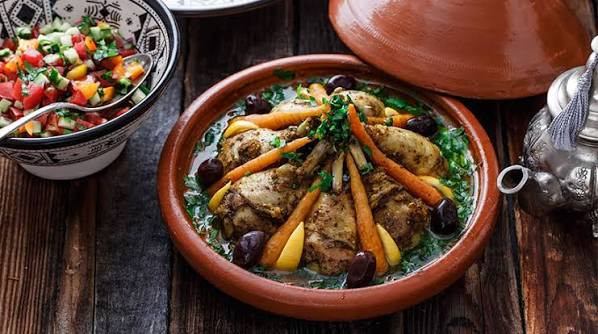
Tagine is Morocco's iconic slow-cooked stew, prepared in a conical clay pot that locks in moisture and spices.
Varieties range from tender beef with prunes and almonds to chicken with preserved lemons and olives, or simple seasonal vegetables.
- Local Snack / Neighborhood Spot: 40–60 MAD ($4–$6 USD)
- Tourist / Medina Rooftop Restaurant: 70–120 MAD ($7–$12 USD)
- Includes: Round flatbread (khobz) for dipping is always included for free.
2. Couscous
Traditionally prepared on Fridays after congregational prayers, Moroccan couscous features steamed semolina grain topped with a rich meat broth and seven vegetables.
While traditional families eat it weekly on Fridays, tourist-facing restaurants serve it daily.
- Local Restaurant (Friday Special): 40–65 MAD ($4–$6.50 USD)
- Tourist Medina Restaurant: 70–110 MAD ($7–$11 USD)
3. Harira
A rich, comforting soup made from tomatoes, lentils, chickpeas, cilantro, and vermicelli. It is the traditional dish used to break the fast during Ramadan, but is enjoyed year-round.
- Local Snack Bar / Street Stall: 5–12 MAD ($0.50–$1.20 USD)
- Tourist Café / Restaurant: 20–35 MAD ($2–$3.50 USD)
- Tip: Usually served with dates or a sweet pastry (chebakia).
4. Moroccan mint tea
Often called 'Berber Whiskey,' green tea steeped with fresh spearmint leaves and wild mint is the heartbeat of Moroccan hospitality.
- Local Corner Café (Single Glass): 7–12 MAD ($0.70–$1.20 USD)
- Medina Rooftop / Tourist Café (Small Pot): 20–35 MAD ($2–$3.50 USD)
- Tip: Clarify whether the menu price is per glass or per teapot (berrad).
5. Msemen
A square, laminated flatbread cooked on a hot griddle until crisp on the outside and chewy inside. Served plain with honey/butter or stuffed with savory spiced onions and meat.
- Plain (Bakery / Street Vendor): 3–5 MAD ($0.30–$0.50 USD)
- Stuffed (Msemen Ma'amer with Kefta/Onions): 8–15 MAD ($0.80–$1.50 USD)
6. Baghrir
Known as '1,000-hole pancakes,' these light, spongy semolina pancakes absorb warm honey and melted butter into their porous surface.
- Single Piece (Local Bakery / Stall): 3–5 MAD ($0.30–$0.50 USD)
- Breakfast Plate at Café (3–4 pieces with tea): 20–35 MAD ($2–$3.50 USD)
7. Moroccan breakfast spread
A traditional morning meal combining fresh bread (khobz), msemen, baghrir, olive oil, honey, soft cheese, eggs with cumin, fresh orange juice, and mint tea or coffee.
- Local Neighborhood Café: 25–45 MAD ($2.50–$4.50 USD)
- Tourist Café / Riad Breakfast: 60–100 MAD ($6–$10 USD)
8. Brochettes (Grilled meat skewers)
Tender skewers of spiced turkey, chicken, lamb, or beef heart grilled over open charcoal embers. Served with bread, harissa, and optional fries.
- Local Grill Shop (Plate of 3–4 skewers): 35–60 MAD ($3.50–$6 USD)
- Tourist Restaurant Plate: 70–110 MAD ($7–$11 USD)
9. Kefta (Spiced minced meat)
Ground beef or lamb seasoned with cumin, paprika, coriander, and onion. It can be grilled on skewers or simmered in a tomato sauce tagine topped with poached eggs.
- Kefta Sandwich / Grill (Local Spot): 25–45 MAD ($2.50–$4.50 USD)
- Kefta & Egg Tagine (Sit-down Restaurant): 50–85 MAD ($5–$8.50 USD)
10. Moroccan street sandwich
A budget-friendly staple made by stuffing crusty flatbread (khobz) with your choice of kefta, grilled chicken, tuna, boiled eggs, potato mash, and spicy harissa sauce.
- Basic Snack Bar Sandwich: 15–25 MAD ($1.50–$2.50 USD)
- Loaded Sandwich with Fries (Snack Shop): 30–45 MAD ($3–$4.50 USD)
11. Pastilla (Bastilla)
A masterpiece of Moroccan cuisine: ultra-thin warqa pastry stuffed with spiced pigeon or chicken, crushed almonds, cinnamon, and powdered sugar, yielding a sweet and savory flavor profile.
- Casual Medina Spot (Chicken Pastilla): 60–90 MAD ($6–$9 USD)
- Authentic Fine Dining (Pigeon or Seafood Pastilla): 110–180 MAD ($11–$18 USD)
12. Traditional almond pastries
Moroccan bakeries offer delicate treats made with almond paste and orange blossom water, such as Cornes de Gazelle (Gazelle Horns) and Ghriba.
- Individual Pastry (Bakery): 4–10 MAD ($0.40–$1 USD)
- By Weight at Local Bakeries (par kilo): 120–160 MAD/kg ($12–$16 USD/kg)
13. Fresh orange juice
Morocco produces exceptional sweet citrus. Freshly squeezed juice stalls are famously dotted across city squares like Marrakech's Jemaa el-Fnaa.
- Standard Street Cart (100% Pure Orange Juice): 5 MAD ($0.50 USD)
- Mixed Fruit / Grapefruit Juice (Street Cart): 10 MAD ($1 USD)
- Seated Medina Café / Rooftop: 20–35 MAD ($2–$3.50 USD)
14. Babbouche (Snail soup)
Boiled snails served in a deeply aromatic, peppery herbal broth flavored with aniseed, licorice root, and thyme. Eaten with toothpicks before drinking the broth.
- Small Bowl (Night Market Cart): 10–15 MAD ($1–$1.50 USD)
- Large Bowl: 20–30 MAD ($2–$3 USD)
15. Chebakia
A flower-shaped fried pastry made of sesame dough, honey-dipped, and sprinkled with sesame seeds. Extremely popular alongside Harira soup.
- Single Piece (Street Stall): 2–4 MAD ($0.20–$0.40 USD)
- By Weight at Local Markets (par kilo): 60–85 MAD/kg ($6–$8.50 USD/kg)
Vegetarian, halal, and water safety notes
Halal is the default across Morocco, virtually every restaurant and street stall serves halal meat without needing to ask.
Vegetarian travelers are well catered for too: vegetable tagines and couscous are standard menu items everywhere, not a special request, and dishes like harira, msemen, baghrir, and most bakery items are naturally meat-free.
Tap water is treated in major cities but most visitors and many locals stick to bottled water. A 1.5L bottle costs 5–7 MAD from a shop or 10–20 MAD at a restaurant, and many restaurants will serve filtered water for free if you ask.
Frequently asked questions
How much does food cost in Morocco per day?
Sticking to street food and local eateries costs roughly 80–150 MAD (~$8–$15) per day. Mixing in mid-range Medina restaurants raises that to about 250–400 MAD (~$25–$40) per day, and fine dining runs higher still.
How much is a meal in Morocco?
A meal at a local restaurant typically costs 40–65 MAD (~$4–$6.50), while the same dish at a tourist-oriented Medina restaurant runs 70–120 MAD (~$7–$12). Street food snacks and sandwiches cost significantly less, often under 30 MAD.
Is street food safe to eat in Morocco?
Yes, generally. Stick to stalls with high turnover and visible cooking (food made fresh in front of you), which is a good sign of both freshness and popularity with locals.
Are there vegetarian options in Morocco?
Yes, vegetable tagines and couscous are standard menu items everywhere, not special requests, and many traditional dishes like harira, msemen, and most bakery items are naturally meat-free.
Is tap water safe to drink in Morocco?
Tap water is treated in major cities, but most visitors and many locals still prefer bottled water. A 1.5L bottle costs 5–7 MAD at a shop, and many restaurants will provide filtered water for free if you ask.
Travel tip
Moroccan flatbread (khobz) is served complimentary with tagines, kefta, and brochettes at local restaurants. Leaving a small cash tip of 2–5 MAD at local snack shops or 5–10% at sit-down places is customary.
Budgeting for food in Morocco
Eating well in Morocco is accessible on almost any budget. Expect to spend 80–150 MAD per day if sticking to street food and local eateries, or 250–400 MAD per day when including mid-range Medina rooftops.
Venture a few streets away from main tourist hubs to experience authentic flavors at true local prices.
Found this useful?
Share it with someone planning a trip to Morocco.
Continue planning
Explore more Morocco travel information
Check prices, explore Moroccan destinations, or estimate your total trip budget.
Browse Morocco Prices
See what travelers typically pay for everyday goods and services.
Explore prices →Explore Moroccan Cities
Discover destinations, local areas, attractions, and practical tips.
Explore cities →Calculate Your Morocco Budget
Estimate accommodation, food, transport, activities, and more.
Calculate your budget →