
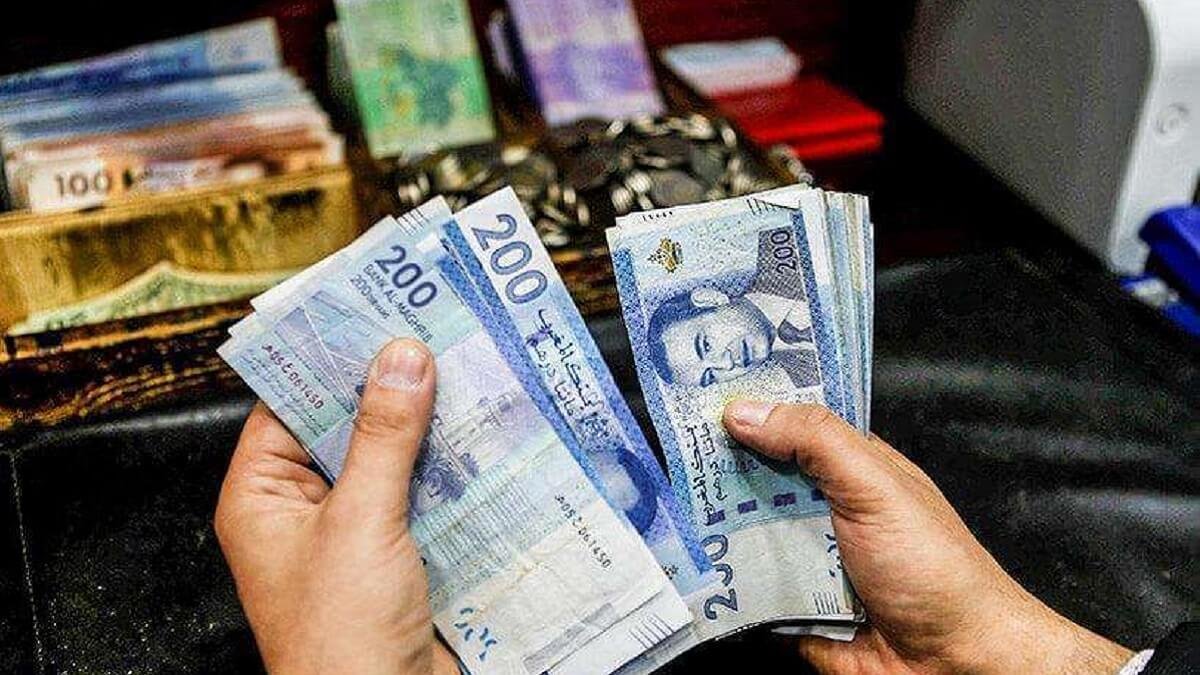
Tipping in Morocco (2026 Guide): Exactly How Much to Tip
Confused by baksheesh? Exact tipping rates in Dirhams (MAD) for restaurants, taxis, riads, desert guides, and hammams, plus cash etiquette.
Tipping in Morocco (known locally as baksheesh) can feel confusing at first because expectations shift depending on whether you are at a local coffee shop, taking a medina taxi, or taking a multi-day Saharan tour.
The good news: tipping is deeply woven into Moroccan service culture, but it is meant as a gesture of appreciation rather than an aggressive obligation. You do not need to tip large percentages to be polite.
The easiest approach: carry small dirham bills (5, 10, and 20 MAD), check your restaurant bill to see if service is already included, and tip relative to the service level.
Is tipping expected in Morocco?
Yes, tipping is customary across restaurants, cafés, hotels, hammams, and guided tours. Service workers in hospitality often rely on tips to supplement modest base wages.
However, tipping is a reward for good service not an absolute law. If a driver demands an unreasonable fare or a waiter is openly dismissive, you are not obligated to leave extra money.
Before adding a tip at formal restaurants, check the bottom of the bill for 'Service Compris' (service included). Even when included, leaving a small cash top-up directly for the waiter is standard practice.
The Golden Rule of Baksheesh
Tip in cash directly to the person who served you. Credit card tips rarely reach the actual service staff.
Currency rules: Euros, US Dollars, or Dirhams?
Always tip in local Moroccan Dirhams (MAD). Avoid tipping in foreign currencies like Euros, US Dollars, or British Pounds, especially coins.
Local service workers cannot exchange foreign coins at Moroccan banks, rendering foreign change useless to them. While foreign paper bills can technically be exchanged, workers must accrue large amounts before a bank will convert them.
Tipping at restaurants and cafés
Dining out spans everything from quick street stalls to high-end fine dining in restored riads. Adjust your tip based on the setting.
At casual street stalls or local sandwich shops, rounding up to the nearest 5 or 10 MAD bill is sufficient.
At mid-range restaurants, a tip of 5% to 10% of the total bill is standard. At high-end tourist establishments, 10% is expected unless a service charge has already been itemized.
- Local café (table service): 2–5 MAD total for a coffee or mint tea
- Casual local eatery (Tagine / Couscous): 5–10 MAD total
- Mid-range to upscale tourist restaurant: 8%–10% of the bill total
- Barista / Counter service: Optional, loose change in the tip jar
Tipping taxi drivers and parking guardians
In metered Petit Taxis, drivers do not expect large tips, but rounding up the fare to the nearest 5 or 10 MAD is universal practice (e.g., if the meter reads 17 MAD, hand over 20 MAD and let them keep the change).
If a driver helps you load heavy luggage into the trunk, adding 5–10 MAD for the extra effort is appreciated.
If you rent a car, you will encounter official or semi-official parking attendants (Gardiens de Voiture) wearing reflective vests. It is customary to pay them 5 MAD for daytime street parking or 10–20 MAD for overnight parking.
Tipping hotel and riad staff
Boutique riads and luxury hotels involve multiple staff members working behind the scenes. Handing out small cash tips directly ensures the right people get recognized.
For housekeeping staff, leave 15–30 MAD daily on the bedside table rather than a bulk amount at checkout. This ensures the specific person cleaning your room that day receives the money.
For medina luggage porters who push your heavy bags through cobblestone alleys on handcarts, a tip is essential physical labor compensation.
- Riad / Hotel porter (per bag to room): 10–20 MAD
- Medina handcart porter (hauling luggage across the medina): 20–30 MAD total
- Housekeeping / Maid service: 15–30 MAD per night (left on bedside table daily)
- Riad concierge (for booking custom excursions or dinner reservations): 50–100 MAD at checkout
Tipping tour guides, private drivers, and desert camps
Guided tours are where tipping amounts are highest, as guides and drivers spend hours or days managing your safety, commentary, and logistics.
For multi-day Sahara desert excursions (such as a 3-day circuit from Marrakech to Merzouga), tip your driver, camel handlers, and camp staff separately.
Keep in mind that if a guide takes you into shopping co-ops where you buy high-ticket items like rugs or ceramics, they often earn vendor commissions on those sales.
- Half-day city walking guide (group tour): 30–50 MAD per person
- Full-day private city guide: 150–250 MAD total from your party
- Multi-day private driver: 100–150 MAD per day from your group
- Desert camel trek handler: 30–50 MAD per guest
- Desert camp staff / cooks: 50–100 MAD group total per night (placed in communal tip box)
Tipping at a traditional hammam or spa
Visiting a hammam is a highlight of Moroccan culture, but the tipping structure depends on whether you visit a neighborhood public bath or a luxury commercial spa.
In a local public hammam, you pay an entry fee at the door, but you pay the scrub attendant (Kessala) directly in cash after your session.
At modern luxury tourist spas where treatments are bundled, tip your massage therapist or scrub attendant individually in cash after the service.
- Public local hammam scrub attendant (Kessala): 20–30 MAD
- Mid-range to luxury spa therapist (Massage / Body Scrub): 50–100 MAD (approx. 10%)
Haggling in souks, street performers, and public restrooms
Do not confuse haggling with tipping. When shopping in the souks, the final price negotiated with an artisan or shopkeeper is final—you do not leave a tip on top of a negotiated purchase.
At public restrooms or in train stations, an attendant will usually sit at the entrance with a dish. Leaving 2–5 MAD is mandatory standard practice.
In public squares like Jemaa el-Fnaa in Marrakech, taking photos or videos of snake charmers, musicians, or water sellers requires a fee. Expect to pay 10–20 MAD per photo; negotiate this fee before taking out your phone.
What to do with unofficial street 'helpers'
In tourist hubs like Marrakech or Fez, young men may offer unsolicited directions when you look lost in the medina. If you follow them to your hotel or a restaurant, they will ask for money.
If you genuinely needed help and they led you to your destination, giving 5–10 MAD is reasonable settlement.
If you did not want help, state a firm 'No, thank you' (La, Shukran) immediately and keep walking. Do not accept unwanted guidance and feel forced to pay a large sum.
Avoid 'guilt tipping'
While it can be tempting to give 100 MAD ($10 USD) for a 10 MAD tea out of generosity, over-tipping distorts local economies and creates unsustainable expectations for future travelers and locals alike. Keep tips proportional to local earning standards.
Summary: Moroccan Tipping Cheat Sheet
Use this quick reference breakdown to keep your daily cash tips simple and stress-free.
- Café Mint Tea / Coffee: 2–5 MAD
- Casual Meal: 5–10 MAD total
- Nice Restaurant Dinner: 10% of total bill
- Petit Taxi Ride: Round up to nearest 5 or 10 MAD
- Hotel Porter / Luggage Helper: 10–20 MAD per bag
- Housekeeping: 15–30 MAD per day
- Car Parking Attendant: 5–10 MAD daytime / 15–20 MAD overnight
- Private Day Tour Guide: 150–200 MAD per day
- Public Restroom Attendant: 2–5 MAD
Frequently asked question
Can you tip with a credit card in Morocco?
No. Most card terminal machines in Morocco do not have a prompt to add a gratuity, and even when they do, credit card tips rarely reach the actual waiter or worker. Always hand cash (MAD) directly to your server.
Do you tip in Euros, US Dollars, or Dirhams?
Always tip in Moroccan Dirhams (MAD). Moroccan banks do not accept foreign coins for exchange, so leaving Euro or USD coins makes the tip unusable for local service workers.
Is service included in Moroccan restaurant bills?
In upscale or tourist-oriented restaurants, check the bottom of the receipt for 'Service Compris' (service included). If it is included, you do not need to leave 10%, but leaving a small cash top-up of 10–20 MAD directly for your waiter is still customary.
How much should you tip a airport or grand taxi driver?
For fixed-price airport transfers or Grand Taxis between cities, tipping 20–50 MAD total for the vehicle is standard if the driver was punctual, helpful with heavy luggage, and drove safely.
What happens if you don't tip in Morocco?
Tipping is not legally mandatory, and nothing bad will happen if you choose not to tip for poor or dismissive service. However, in standard interactions, omitting a tip for good service is seen as rude since hospitality staff depend on tips to supplement low base salaries.
Travel tip
Always break 100 MAD and 200 MAD banknotes whenever you pay at larger venues so your wallet is always stocked with 5, 10, and 20 MAD coins and bills for tipping.
Keep baksheesh practical and stress-free
Tipping in Morocco is ultimately about acknowledging good work and showing respect for local hospitality.
By keeping small change accessible, checking your restaurant receipts, and treating tips as a fair thank-you for genuine effort, you can navigate every interaction smoothly and confidently.
Found this useful?
Share it with someone planning a trip to Morocco.
Continue planning
Explore more Morocco travel information
Check prices, explore Moroccan destinations, or estimate your total trip budget.
Browse Morocco Prices
See what travelers typically pay for everyday goods and services.
Explore prices →Explore Moroccan Cities
Discover destinations, local areas, attractions, and practical tips.
Explore cities →Calculate Your Morocco Budget
Estimate accommodation, food, transport, activities, and more.
Calculate your budget →