Morocco price guide
How much does moroccan ceramics cost in Morocco?
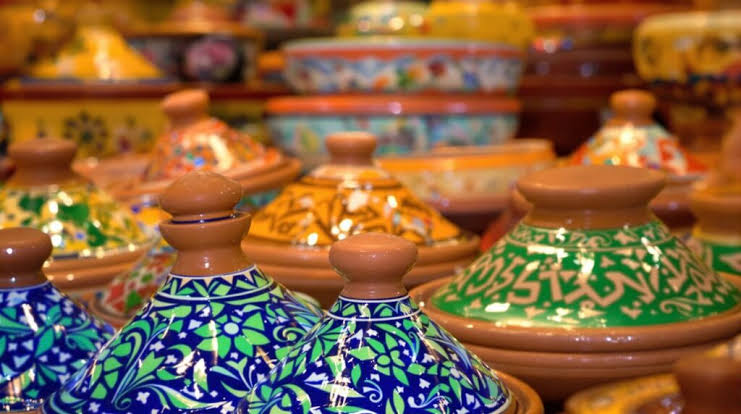
Moroccan ceramics are among the most famous handcrafted souvenirs in North Africa, celebrated for their vivid geometric zellige patterns, floral motifs, and rich glazes. Pottery making thrives in historic ceramic hubs across Morocco, including the ancient pottery kilns of Safi, the cobalt blue workshops of Fes el-Bali, and the earthy green pottery village of Tamegroute. Understanding local souk prices ensures you purchase genuine hand-thrown pottery rather than factory-made pottery.
Quick reference
per piece
Price examples
Typical amounts in MAD
Ceramic prices in Morocco vary substantially according to regional origin, hand-painting complexity, glaze type, and shop setting:
Initial asking prices in high-tourist areas like Jemaa el-Fnaa in Marrakech or Rue Talaa Kebira in Fes can start 2x to 3x above local value. Polite negotiation (tahrif) is expected in souks.
When shopping for Moroccan pottery, check whether functional items (bowls, serving plates, cooking tagines) are food-safe and lead-free (sans plomb), as traditional decorative glazes may contain heavy metals intended solely for wall display. Inspect the clay base and rim for cracks or glaze chips before paying. Tap the rim gently—a solid ringing tone indicates strong kiln firing, whereas a dull thud can signal internal fractures. Ask the vendor to bubble-wrap fragile ceramic pieces securely for air travel.
Workmanship, material quality, and origin determine price points. Simple red-clay pottery from Safi is produced in volume and priced accessibly at 30–150 MAD. Intricate blue-and-white Fassi pottery from Fes uses grey clay fired at high temperatures with meticulous hand-painted details, fetching 180–500+ MAD. Unique emerald-green glaze pottery from Tamegroute carries higher premiums due to its rare artisan process.
Origin & artisan region (Safi red clay vs. Fes cobalt blue pottery vs. green Tamegroute ceramics)
Glaze & painting detail (Intricate hand-painted geometric patterns vs. plain monochrome glazed clay)
Food safety (Lead-free food-safe culinary pottery vs. decorative-only display pieces)
Dimensions & weight (Small 4-inch spice dishes vs. heavy 16-inch serving platters)
Extra handiwork (Embossed brass/alpaca metal rims, silver filigree trim, or hand-carved sgraffito)
Shop type & location (Pottery cooperative, tannery-adjacent souk stall, or fixed-price boutique)
Moroccan ceramics make stunning kitchenware and home decor souvenirs. Small items like spice bowls, olive dishes, and coasters are lightweight and easy to pack. For larger platters or delicate vases, ask the artisan to pack them with thick foam or bubble wrap, and consider carrying them in hand luggage.
A useful rule when comparing private guide prices
Verify food safety: Ask 'Est-ce qu'on peut manger dedans ?' (Is it food-safe?) to ensure the glaze is lead-free.
Distinguish cooking vs serving tagines: Glazed decorative tagines crack over direct heat; raw unglazed clay tagines are meant for cooking.
Inspect glaze quality: Check for smooth glaze coverage without excessive pitting, air bubbles, or edge flaking.
Bargain in local souks: Offer 40–50% off the initial opening price when purchasing pottery in medina markets.
Buy at the source: Visiting the pottery quarters in Safi (Colline des Potiers) or Fes yields lower prices and wider selections.
Budget 30 to 70 MAD ($3–$7 USD) for small ceramic bowls or souvenir spice pots. Set aside 70 to 180 MAD ($7–$18 USD) for standard hand-painted serving platters, and plan for 200 to 450 MAD ($20–$45 USD) for large decorative wall plates or authentic Fes blue pottery.