Morocco price guide
How much does babouche slippers cost in Morocco?
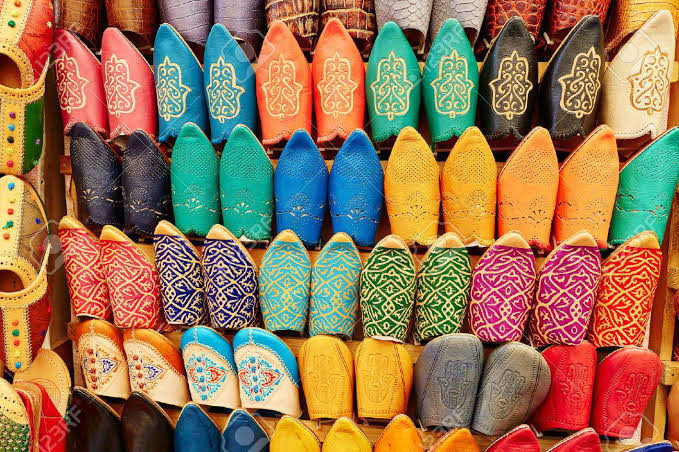
Babouches, also called belgha or balgha, are the backless leather slippers worn across Morocco, and Marrakech and Fes are where most visitors buy them. In Marrakech, the leather and slipper stalls are concentrated around Souk Cherratin, north of Jemaa el-Fnaa, and the government Ensemble Artisanal in Gueliz sells crafts at fixed prices. Fes is the country's leather capital, with the tannery district and medina workshops producing much of the goatskin that ends up in babouches. This guide compares what you should pay in each city, what the first price usually is, and how to tell real leather from cheap imitations.
Quick reference
per pair
Price examples
Typical amounts in MAD
Prices depend mainly on the leather, the stitching and the city. These are per pair, in MAD, after negotiating unless the row says it is a first price:
Prices are reference estimates from souk guides and price lists in 2026, and they change by stall and season. The government-run Ensemble Artisanal near Gueliz in Marrakech sells crafts at fixed prices, which makes a useful benchmark before you bargain in either city. Online shops usually charge more because of shipping and markup.
Decide first whether the babouches are for indoors or the street. Soft leather soles are meant for the house, while thicker leather or rubber soles are better outdoors. In Marrakech, compare a few stalls in the leather and slipper area around Souk Cherratin and check the fixed price at the Ensemble Artisanal first. In Fes, look at the medina leather workshops and ask whether the leather is goat or cow. Check the leather: genuine vegetable-tanned leather has a warm, earthy smell, whereas a harsh chemical or plastic smell usually means synthetic or poorly finished leather, and most bargain pairs are chrome-tanned. Look at the stitching around the welt, because good pairs are thread-stitched rather than just glued, and bend the slipper to check it is flexible but not flimsy. Try both slippers on, since handmade sizing varies, and choose a pair that fits snugly at the toes because the leather will stretch.
In Marrakech, souk guides give a fair range of about 80–200 MAD for plain leather pairs and 200–350 MAD for embroidered or layered pairs, with opening asks of 200–400 MAD and sometimes 500–600 MAD. A 2026 price list for Fes quotes fair prices of about 80–150 MAD for a basic pair, 150–250 MAD for a standard pair with good hand-stitched leather and 200–350 MAD for a premium pair, against typical tourist prices of 250–400, 400–600 and 500–800 MAD respectively. Fes is generally cheaper than Marrakech for leather goods because it is where the leather is produced, with some guides putting Marrakech at 30–40% more for a comparable leather bag, but the best goatskin babouches in Fes can cost more than the cheapest souvenir pairs in Marrakech. As a rule of thumb, souk prices settle at about 40–55% of the opening quote, and online a handcrafted pair starts around $65–$70 (about 600–650 MAD) before shipping.
City (Fes is the production center and generally cheaper for leather, Marrakech has the biggest tourist volume and higher opening prices)
Leather type and tanning (goatskin or cowhide, vegetable-tanned vs chrome-tanned)
Stitching and sole (thread-stitched and a thick sole vs glued and a thin indoor sole)
Decoration (plain leather vs silk embroidery, layered designs or Berber motifs)
Where you buy (stall in a souk vs workshop vs fixed-price craft shop vs online shop)
Your negotiating and the number of pairs (buying several pairs gives you leverage)
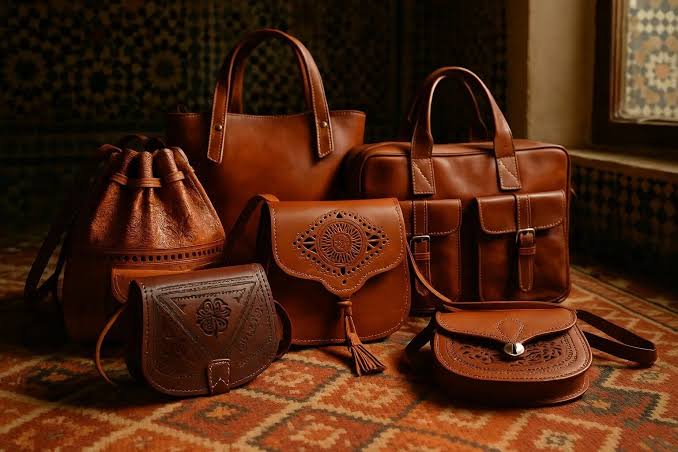
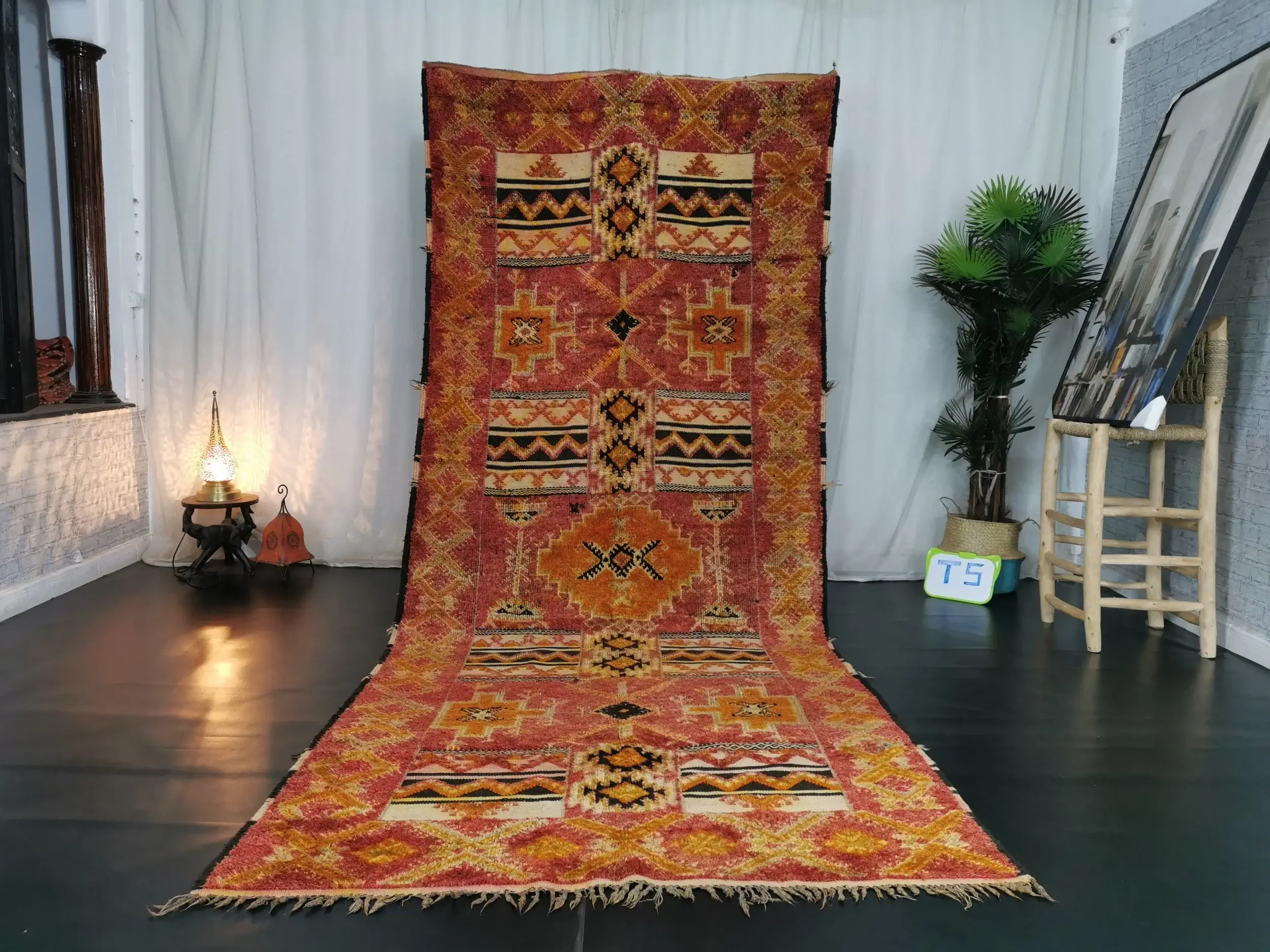
In Marrakech, slipper and leather stalls are concentrated around Souk Cherratin, north of Jemaa el-Fnaa, and the government Ensemble Artisanal in Gueliz is a good place to see fixed prices first. In Fes, the leather trade centers around the tanneries and the medina workshops, and the leather quarter is where you will find the widest choice of goatskin pairs. Babouches are light and fit easily in carry-on luggage. If you are shopping for other leather goods or souvenirs, see leather bag prices, Moroccan rug prices, Moroccan ceramics prices, Moroccan tea set prices and argan oil prices.
A useful rule when comparing private guide prices
Check a fixed price first in Marrakech: Look at the fixed prices at the Ensemble Artisanal in Gueliz to know what a reasonable price is before you bargain in the souks.
Bargain by walking: Many shoppers name about a third to 40–50% of the first price and settle at about 40–55% of the opening quote, and being willing to leave is your best leverage.
Compare Fes and Marrakech quality, not just price: Fes goatskin pairs usually cost a little more than the cheapest souvenir pairs, but the leather and finish are often better.
Match the sole to the use: Thin leather soles are for indoors, while thicker leather or rubber soles last on the street.
Test the leather: Genuine vegetable-tanned leather smells earthy, and a chemical or plastic smell is a warning sign. Bend the slipper to check it is soft but sturdy.
Check the stitching: Good pairs are thread-stitched around the edge, not just glued, and the seams should be neat on both slippers.
Try both: Handmade sizing varies, so try both slippers and choose a snug but comfortable fit at the toes, since the leather stretches with use.
Buy several pairs together: Buying 2 or 3 pairs from the same stall gives you leverage to ask for a lower price per pair.
Budget about 80–150 MAD ($9–$16 USD) for a basic pair, 150–250 MAD ($16–$27 USD) for a good hand-stitched pair, and 200–350 MAD ($22–$38 USD) for an embroidered or premium pair after haggling in Marrakech or Fes. Expect opening quotes of 200–800 MAD, and plan to spend about half of that. If you buy several pairs as gifts, you can usually bargain a lower price per pair.
Common questions
Frequently asked questions
A few practical questions travelers may have before choosing or paying for this in Morocco.
How much do babouches cost in Marrakech?
In the Marrakech souks, plain leather babouches usually settle at about 80–150 MAD and embroidered or layered pairs at about 200–350 MAD. Opening asks are often 200–400 MAD and can reach 500–600 MAD, so start well below the first price and be ready to walk away. The fixed prices at the Ensemble Artisanal in Gueliz are a useful benchmark.
How much do babouches cost in Fes?
A 2026 price list for Fes gives fair prices of about 80–150 MAD for a basic pair, 150–250 MAD for a standard hand-stitched pair and 200–350 MAD for a premium pair. Tourist prices before bargaining are typically 250–800 MAD, so aim to pay roughly 40–55% of the opening quote.
Is it cheaper to buy babouches in Fes or Marrakech?
Fes is the production center for leather, so leather goods are generally cheaper there, and some guides put Marrakech at 30–40% more for a comparable leather item. Fes goatskin babouches are often better quality, so a good pair can cost more than the cheapest souvenir pair in Marrakech. Compare the leather, stitching and sole, not just the price.
Where can you buy babouches in Marrakech?
The leather and slipper stalls are concentrated in Souk Cherratin, north of Jemaa el-Fnaa in the medina. The government-run Ensemble Artisanal near Gueliz sells crafts at fixed prices, which is useful for comparison. Check the quality and bargain at the stalls, and compare a few shops before you buy.
Where can you buy babouches in Fes?
Fes is Morocco's leather capital, and you will find babouches in the medina leather quarter, the workshops and stalls around the tanneries, and the souks. Ask whether the leather is goat or cow, check the stitching, and compare a few stalls before buying. Fes goatskin pairs tend to be soft and good quality.
How much should you haggle for babouches?
Many shoppers offer about a third to half of the first price and settle at about 40–55% of the opening quote. Ask the price with a smile, make a counter-offer, and be genuinely willing to walk away. Checking a fixed price first helps you know the fair price in Marrakech or Fes.
How can you tell real leather babouches from fake ones?
Real vegetable-tanned leather smells earthy and feels soft and flexible, while synthetic leather smells of plastic or chemicals. Look for thread-stitching around the edge rather than just glue, and check that the sole is leather or thick rubber. Very cheap pairs with perfectly uniform stitching may be machine-made or imported.
Can you wear babouches outside?
Only if the sole is made for it. Soft thin leather soles are designed for indoor use, while pairs with a thick leather or rubber sole are better for walking on the street. Ask the seller whether the pair is for the house or the street before you buy.
Are babouches cheaper in Morocco than online?
Usually yes. A handcrafted pair from an export shop starts around 65–70 US dollars (roughly 600–650 MAD) before shipping, while a good pair in a Marrakech or Fes souk costs about 150–250 MAD after bargaining. Online prices include shipping and returns, so you are paying for convenience.
What size should you buy, and how should babouches fit?
Handmade sizing varies between artisans, so try both slippers on. Choose a pair that fits snugly around the toes but is comfortable, because the leather stretches slightly with wear. If you are between sizes, the smaller size is usually better, and many sellers will fit or swap a pair.