Morocco price guide
How much does argan oil cost in Morocco?
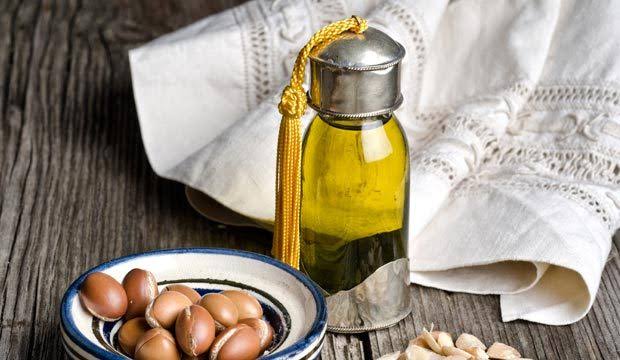
Pure cosmetic argan oil in Morocco costs 100–140 MAD ($10–$14 USD) for a 100ml dark glass bottle, while culinary roasted argan oil sells for 150–220 MAD ($15–$22 USD) for 250ml. Bulk pure oil is typically 300 to 400 MAD ($30–$40 USD) per liter at certified rural women's cooperatives. The best argan oil comes from these certified cooperatives between Essaouira and Agadir and around Taroudant, not from tourist souks, where small bottles priced below 50 MAD per 100ml are typically diluted with cheap vegetable oil or heavily heat-deodorized.
Quick reference
per bottle
Price examples
Typical amounts in MAD
Argan oil pricing follows strict volume, extraction, and certification tiers:
Extracting 1 liter of pure argan oil requires over 30 kg of argan fruit and up to 15 hours of manual nut-cracking labor. Any vendor offering '100% pure argan oil' for under 200 MAD per liter is selling diluted or counterfeit oil.
The best argan oil is cold-pressed, sold in dark glass, and bought directly from ONSSA-licensed (National Office for Food Safety) or Ecocert-certified women's cooperatives. The best places to buy are along the N1 route between Essaouira and Agadir, around Taroudant and the Anti-Atlas, and in cooperative storefronts in Agadir and Essaouira. In Marrakech, look for licensed pharmacies, reputable herboristeries or the Ensemble Artisanal rather than the stalls around Jemaa el-Fnaa. Ensure the bottle is dark amber or cobalt glass, as UV light degrades pure unrefined oil within weeks. Avoid clear plastic bottles displayed in sunlit souk shopfronts. Cooperatives usually charge fixed prices, so there is little room to haggle. For advice on authentic goods and fair benchmarks, see our souk authenticity guide and souk prices guide.
Raw argan nut scarcity driven by climate conditions, coupled with intensive hand labor, establishes high baseline production costs. Cosmetic oil (cold-pressed from unroasted raw kernels) requires more raw material per bottle, while culinary oil involves a preliminary roasting step that gives it a rich golden-brown hue and nutty aroma. Small retail bottles cost far more per milliliter than bulk oil because of the glass, labeling and the cooperative's margin.
Oil grade (Cosmetic raw cold-pressed vs. Culinary roasted kernels)
Container volume (50ml, 100ml, 250ml, 500ml, or 1 Liter supply)
Packaging material (UV-blocking dark glass vs. clear plastic)
Official certification seals (ONSSA, Ecocert, or IGP Argan Marks)
Point of purchase (Rural women's cooperatives vs. medina tourist stalls vs. airport boutiques)
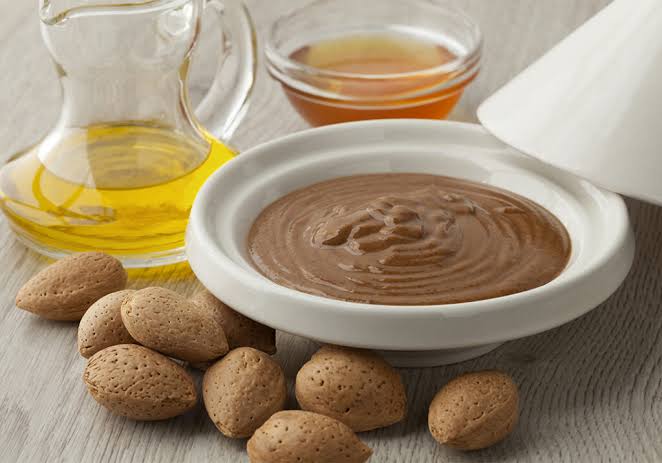
Argan oil is Morocco's signature cosmetic souvenir, but counterfeit blends diluted with cheap seed oils are widespread in Jemaa el-Fnaa (Marrakech) and blue medina shops in Chefchaouen. Cooperatives within a short drive of Agadir and Essaouira are the most reliable place to buy, and many welcome visitors to watch the nuts being cracked by hand. Expect to pay 100–140 MAD for a certified 100ml cosmetic bottle. If buying culinary argan oil or fresh Amlou almond dip, ensure the bottle specifies food-grade processing.
A useful rule when comparing private guide prices
Scent test: Pure cosmetic argan oil has a very faint, raw nutty/earthy scent that disappears within 2 minutes after skin application. Strong perfumes indicate artificial masking, while zero scent indicates heavy chemical deodorization or bleaching.
Skin absorption: Real argan oil absorbs smoothly into the skin within 3–5 minutes without leaving a sticky or greasy residue.
Inspect the label: Look for 'Argania Spinosa Kernel Oil' as the single ingredient no added fragrances, silicones, or preservatives.
Check for certification logos: Verify the ONSSA authorization number or Ecocert organic stamp printed on the label.
Never swap grades: Do not apply roasted culinary argan oil to your face (it can clog pores), and do not cook with unroasted cosmetic oil.
Skip the 'free demonstration' sales pitch in souks: a bottle sold after a pressured demo is rarely the cooperative-quality oil you want.
Budget 100–140 MAD ($10–$14 USD) per 100ml bottle for authentic cosmetic argan oil. For culinary oil or fresh Amlou spread, set aside 150–250 MAD ($15–$25 USD). Buying from rural women's cooperatives around Essaouira or Agadir ensures guaranteed purity while directly supporting local community livelihoods.
Common questions
Frequently asked questions
A few practical questions travelers may have before choosing or paying for this in Morocco.
How much does argan oil cost in Morocco?
A 100ml bottle of pure cosmetic argan oil typically costs 100–140 MAD ($10–$14), and a 250ml bottle of culinary roasted oil costs 150–220 MAD ($15–$22). Bulk oil from a certified cooperative is around 300–400 MAD per liter. Fresh amlou paste costs about 70–120 MAD per jar.
What is the best argan oil in Morocco?
The best argan oil is pure, cold-pressed oil from a certified women's cooperative, sold in a dark glass bottle with 'Argania Spinosa Kernel Oil' as the only ingredient and an ONSSA or Ecocert mark on the label. No single brand is best, but oil bought directly from cooperatives between Essaouira and Agadir is the most reliable.
Where is the best place to buy argan oil in Morocco?
Buy at women's cooperatives along the N1 road between Essaouira and Agadir or around Taroudant, where you can see the oil being produced and prices are fixed. In Marrakech, use licensed pharmacies, reputable herboristeries or the Ensemble Artisanal rather than the stalls around Jemaa el-Fnaa.
How can I tell if argan oil is real?
Real cosmetic argan oil has a faint nutty smell that fades within a couple of minutes, absorbs into skin in 3–5 minutes without feeling greasy, and comes in dark glass with a single-ingredient label. A price far below 100 MAD per 100ml, a strong perfume smell or a sticky finish are red flags.
Is argan oil cheaper in Morocco than abroad?
Usually, yes. Genuine cooperative oil is typically much cheaper than the same product in European or American shops, which add import and retail markups. Cheaper is only a good deal if the oil is real, so buy from a cooperative or a certified seller rather than the lowest price in the souk.
What is the difference between cosmetic and culinary argan oil?
Cosmetic oil is pressed from raw, unroasted kernels and has a light colour and mild scent. Culinary oil comes from roasted kernels, so it is darker and nuttier and is used as a finishing oil on couscous, salads or amlou. Don't swap them: roasted oil can clog pores on your face.
Why is argan oil so expensive?
Argan trees grow almost only in southwestern Morocco, and making one liter takes roughly 30 kg of fruit and many hours of hand-cracking and pressing. Drought and rising global demand have pushed prices up. That is why oil sold for a few dirhams is almost always diluted.
Can I take argan oil on a plane?
Carry-on liquids are normally limited to 100ml containers, so a 100ml bottle can go in your hand luggage in a clear bag. Larger bottles should go in checked luggage, wrapped well in case of leaks. Rules vary by airline and airport, so check before you fly.