
How Much Do Souvenirs Cost in Morocco? (2026 Souk Price Guide)
Rugs from 200 MAD, leather bags from 250 MAD, saffron from 30 MAD/gram. Real 2026 prices for Moroccan souvenirs — rugs, leather, babouches, pottery, spices & more.
Expect to pay roughly 200–2,500+ MAD for a handmade rug, 250–700 MAD for a leather bag, 50–250 MAD for babouches, and 30–50 MAD per gram for real Taliouine saffron — though quality and shop location shift these ranges a lot.
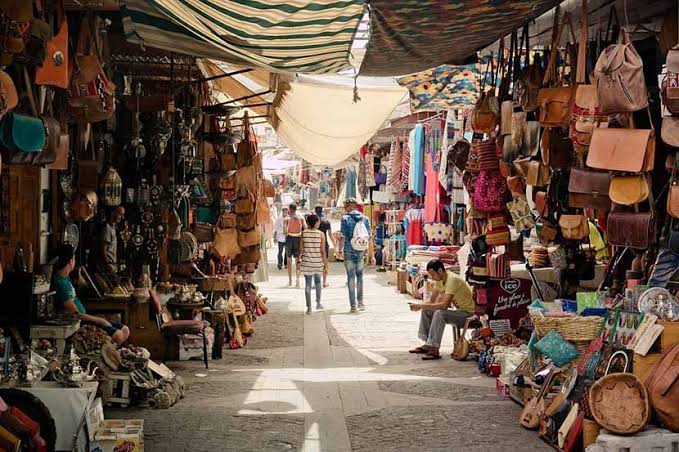
Shopping in a Moroccan souk is one of the highlights of visiting rugs, leather goods, pottery, spices, and babouches line every stall. What trips up most first-timers isn't finding items to buy, but knowing whether the quoted price is realistic.
Souk prices aren't fixed like a supermarket's. The exact same leather bag or ceramic tagine can vary based on material quality, size, handcraft detail, shop location, and how much comparison shopping you've done.
This guide provides real-world price benchmarks for common souk items and explains how quality impacts cost. For bargaining strategy and step-by-step negotiation tactics, see our dedicated negotiating guide; for how to verify an item is genuine before you pay, see our guide on spotting fakes in the souk.
Before you bargain: How souk pricing works
Bargaining is a standard social interaction in Moroccan souks for handicrafts, leather goods, rugs, and clothing. Sellers typically open high, expecting a polite back-and-forth negotiation before agreeing on a final number.
Forget the popular travel myth that you should 'always offer 50% of the initial quote.' Some vendors open near a fair price, while others near heavy tourist gates might start five times higher. Instead of relying on a percentage formula, learn the typical value range of the item.
A practical strategy for first-time visitors is to stop by an Ensemble Artisanal (government-run artisan center with fixed price tags) before entering the souks. This gives you an exact benchmark for baseline quality and pricing.
The Benchmark Trick
Visit a fixed-price state artisan shop (Ensemble Artisanal) in cities like Marrakech or Rabat first to inspect genuine craftsmanship standards and check official price ceilings.
Moroccan rugs and carpets
Rugs vary dramatically in price depending on size, material (pure wool vs. cotton blends or agave silk), knot density, vintage age, and whether they are hand-woven by Berber women cooperatives.
Small flat-weave kilims remain affordable, while thick, vintage Boujad or Beni Ourain wool carpets require extensive hand labor and cost significantly more.
Always confirm whether international shipping or protective wrapping is included in the quoted price before finalizing a high-value carpet purchase.
- Small decorative kilims / runners: ~200–600 MAD
- Medium handmade wool rugs (1.5m x 2m): ~800–2,500 MAD
- Large or vintage hand-knotted carpets: 2,500 MAD and up
Leather bags, jackets, and accessories
Leather goods are a souk specialty, particularly in Fez and Marrakech near historic tanneries. Price tracks leather grade (goat, sheep, or cowhide), stitching strength, lining quality, and hardware durability.
Lower-cost leather often uses cheaper chemical dyes or thinner hides that wear quickly, while high-grade, vegetable-tanned leather feels suppler and develops a richer patina over time. For a step-by-step way to test leather quality before buying, see our guide on spotting fakes in the souk.
- Small leather wallets & keychains: ~50–150 MAD
- Belts & small leather pouches: ~80–200 MAD
- Medium leather handbags & backpacks: ~250–700 MAD
- Full leather travel duffels & jackets: ~800–2,000+ MAD
Babouches (traditional leather slippers)
Babouches (known locally as balgha) come in two main varieties: soft-soled indoor slippers and hard rubber-soled outdoor shoes. Price depends on leather softness, sole thickness, and hand-stitched detail.
Basic mass-produced babouches with stiff leather and glued soles represent the entry price point, while hand-stitched leather slippers with padded footbeds cost more.
Test fit with socks if you plan to wear them immediately, as real leather slippers stretch slightly to conform to your feet over time.
- Basic indoor babouches: ~50–120 MAD
- Padded / high-quality leather babouches: ~120–250 MAD
- Intricately embroidered or royal ceremonial designs: 200–400 MAD
Pottery, tagines, and ceramics
Moroccan ceramics range from small hand-painted condiment bowls to large glazed decorative platters and unglazed cooking tagines.
Cooking tagines must be unglazed or safely lead-free glazed terracotta designed for heat. Decorative glazed pottery with fine geometric hand-painting (such as traditional Safi or Fez blue ceramics) commands higher prices.
If purchasing delicate ceramics, ask the vendor to wrap the items in heavy corrugated cardboard or bubble wrap for airline travel.
- Small condiment bowls & painted tiles: ~30–80 MAD
- Standard terracotta cooking tagines: ~40–120 MAD
- Large hand-painted serving platters & bowls: ~150–400 MAD
Spices, tea, and saffron
Spices are usually purchased in smaller weight increments (gram or 100g portions). Common spices like cumin, paprika, ginger, and Ras el Hanout blends are inexpensive.
Saffron requires careful attention: real Moroccan saffron (harvested in Taliouine) consists of deep crimson threads, while suspiciously cheap jars are frequently dyed safflower or corn filaments. See our souk secrets guide for a simple water test to verify saffron before buying.
Always confirm whether a vendor's quoted price is per 100 grams or per kilogram before they weigh and package the order.
- Common culinary spices: ~15–35 MAD per 100g
- Custom Ras el Hanout house blends: ~25–50 MAD per 100g
- Pure Taliouine saffron threads: ~30–50 MAD per single gram
Argan oil and cosmetic products
Argan oil comes in two distinct forms: culinary (roasted seeds, dark amber color, nutty aroma) and cosmetic (unroasted seeds, lighter yellow color, faint natural scent).
Pure cold-pressed argan oil requires considerable manual labor. Suspiciously cheap bottles sold in hot clear-plastic jugs on open street stalls are often diluted with cheap vegetable oil.
Buy from verified women's cooperatives or established apothecaries where oil is stored in dark glass or metal containers away from direct sunlight.
- Cosmetic Argan Oil (100ml pure cold-pressed): ~80–180 MAD
- Culinary Argan Oil (250ml roasted): ~100–220 MAD
- Black soap (Savon Noir) & Rhassoul clay tubs: ~30–80 MAD
Brass lanterns and home decor
Moroccan lanterns, metal mirrors, and brass trays vary in cost according to metal gauge (thin sheet aluminum vs. heavy solid brass) and pierced pattern complexity.
Machine-punched tin lamps represent the lower price end, whereas hand-chiseled solid brass lanterns with stained glass inlays require days of metalwork.
Check that electrical wiring or light sockets inside lamps conform to standard voltage requirements if buying electrified versions.
- Small tin decor items & mirrors: ~50–150 MAD
- Medium pierced metal lamps: ~150–450 MAD
- Large hand-chiseled solid brass lanterns: ~500–1,500+ MAD
Quick rules for fair bargaining
Bargaining is meant to be a pleasant negotiation, not a battle: state a fair counter-offer, keep it lighthearted, and once a final price is agreed, it's poor etiquette to walk away. Our negotiating guide covers the full step-by-step strategy in more depth if you want to go deeper before your trip.
- Compare two or three stalls before making an opening bid
- Confirm total cost and weight measurements before handing over cash
- Carry smaller Dirham bills (20, 50, 100 MAD) to make exact payments easy
- Walk away respectfully if the price exceeds your budget
Frequently asked questions
How much does a Moroccan rug cost?
Small decorative kilims and runners cost around 200–600 MAD. Medium handmade wool rugs run 800–2,500 MAD, and large or vintage hand-knotted carpets start at 2,500 MAD and can go much higher.
How much do leather goods cost in a Moroccan souk?
Small items like wallets and keychains cost 50–150 MAD, belts and pouches run 80–200 MAD, medium handbags and backpacks cost 250–700 MAD, and full leather jackets or travel duffels start around 800 MAD.
How much does saffron cost in Morocco?
Pure Taliouine saffron threads cost approximately 30–50 MAD per gram. Prices significantly below that range are a warning sign of dyed safflower or corn filaments sold as saffron.
How much do babouches (Moroccan slippers) cost?
Basic mass-produced babouches cost 50–120 MAD, padded high-quality leather pairs run 120–250 MAD, and intricately embroidered or ceremonial designs cost 200–400 MAD.
Are souk prices in Morocco always negotiable?
Yes, for handicrafts, leather goods, rugs, and clothing, bargaining is standard practice. Fixed-price government Ensemble Artisanal shops are the exception, useful mainly as a price benchmark before you negotiate elsewhere.
Travel tip
Check standard prices at an Ensemble Artisanal center first, inspect material craftsmanship over surface decoration, and confirm per-100g or total bundle pricing before agreeing to a sale.
Shop with confidence
Souk shopping in Morocco is a rich cultural experience once you understand price baseline logic and material quality indicators.
Focus on finding items you love at prices that feel fair to you, rather than obsessing over reaching a theoretical rock-bottom price.
Found this useful?
Share it with someone planning a trip to Morocco.
Continue planning
Explore more Morocco travel information
Check prices, explore Moroccan destinations, or estimate your total trip budget.
Browse Morocco Prices
See what travelers typically pay for everyday goods and services.
Explore prices →Explore Moroccan Cities
Discover destinations, local areas, attractions, and practical tips.
Explore cities →Calculate Your Morocco Budget
Estimate accommodation, food, transport, activities, and more.
Calculate your budget →